Pulished on May. 08, 2026
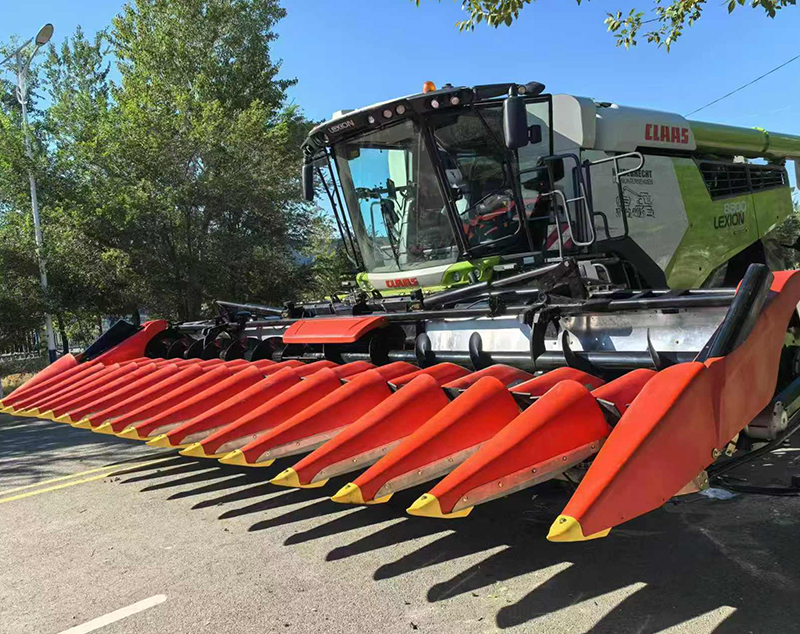
In the agriculture and farming sectors, the choice of equipment can often spell the difference between profitability and loss. One of the critical pieces of machinery that farmers rely on is the maize header. However, many face skyrocketing costs due to middlemen and procurement challenges, which can significantly impact their bottom line. When I witnessed the financial strain on local farms from inflated prices and unreliable supply chains, it became clear that a solution was urgently needed. The implications of ignoring this issue are substantial—not just in terms of financial outlay but also in how it affects operational efficiency and crop yields.
Understanding why these inflated costs persist is crucial for any savvy farmer or business owner. The root cause often lies in the intermediary layers that separate manufacturers from final consumers. When purchasing a maize header, the costs incurred can escalate with each additional middleman involved. Each entity requires a margin, so what begins as a reasonable price compounds into an unaffordable expense. This phenomenon is exacerbated by fluctuating market demands for agricultural equipment, wherein suppliers may increase prices during peak farming seasons. Recognizing these dynamics helps stakeholders appreciate the urgency of sourcing directly from manufacturers, such as Xinwanda, which offers direct sales, thereby eliminating unnecessary costs.
This cost issue extends beyond individual farmers; it has far-reaching ramifications for the agricultural industry as a whole. A dependence on third-party suppliers may lead to inconsistent equipment quality and supply shortages, resulting in delayed harvests and financial strain. Businesses reliant on maize for production must now contend with the risk of downtime and increased operational costs. As outlined in a recent case study, a regional cooperative that switched to direct sourcing from manufacturers like Xinwanda saw their equipment costs drop by 30%, leading to improved operational stability and enhanced profitability.
The repercussions of neglecting this cost-saving opportunity can be dire. Failing to procure maize headers directly from manufacturers can lead to chronic undercapitalization, eroding profit margins over time. For instance, companies that ignored these insights experienced a 15-20% increase in overhead costs, significantly diminishing their competitive edge. Furthermore, the inconsistency in product quality due to reliance on multiple suppliers can result in diminished crop yields, creating a compounded issue of lost revenue and increased production costs.
In conclusion, the benefits of purchasing a maize header for sale directly from factories like Xinwanda are clear. By bypassing intermediaries, farmers and businesses can save significantly, improve product quality, and ensure consistent supply. I encourage you to take proactive steps to evaluate your procurement processes today. Explore what it means to invest wisely in your agricultural future by sourcing directly from manufacturers. For further information on high-quality maize headers, check out Xinwanda’s offerings and see firsthand how cost-effective your next purchase can be. Your bottom line will thank you.